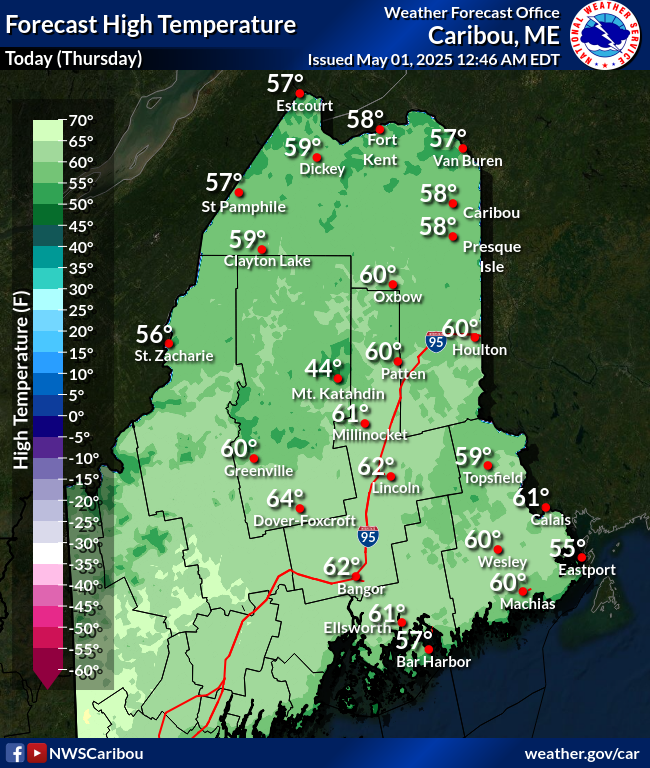
Today's High


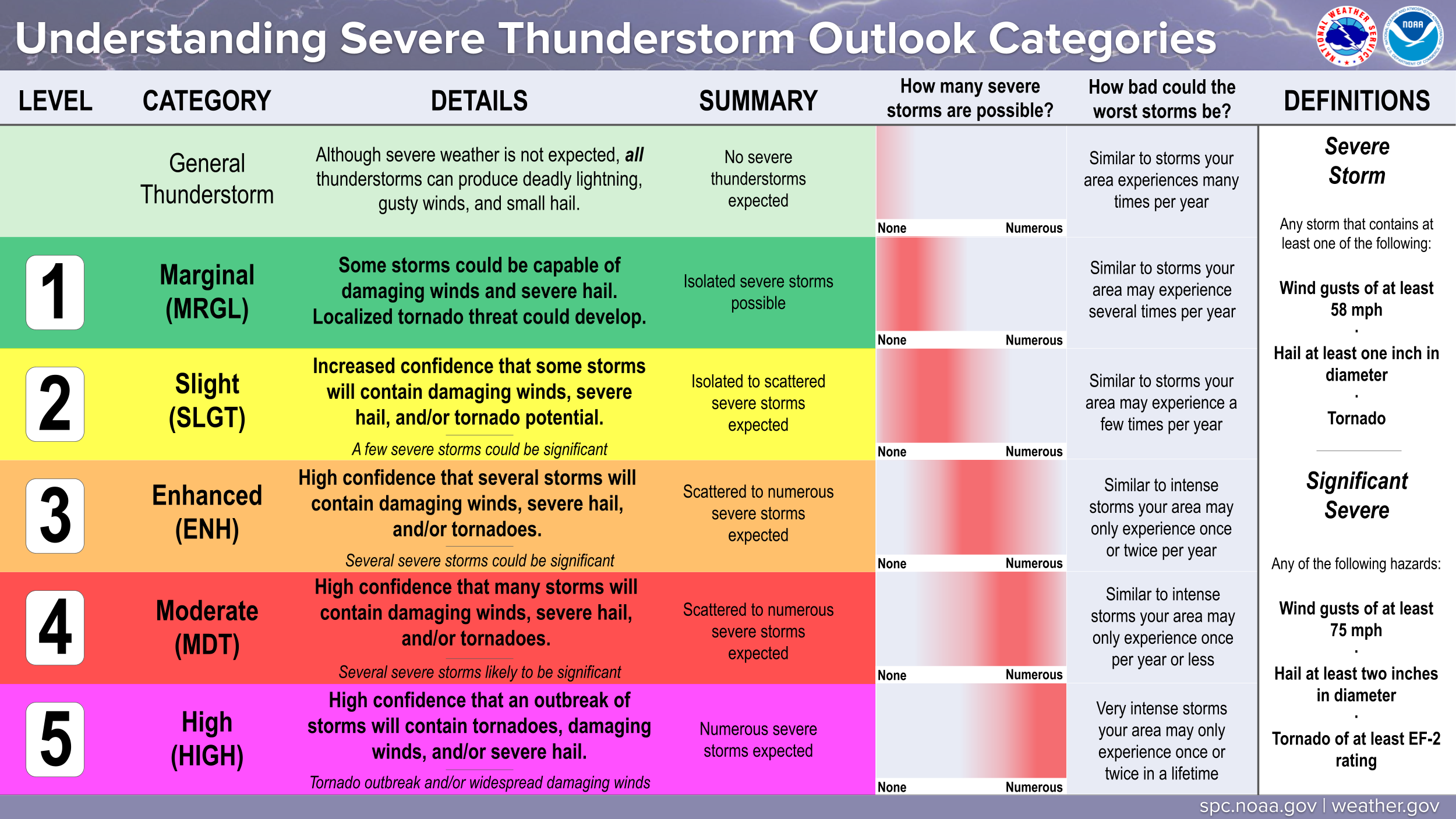
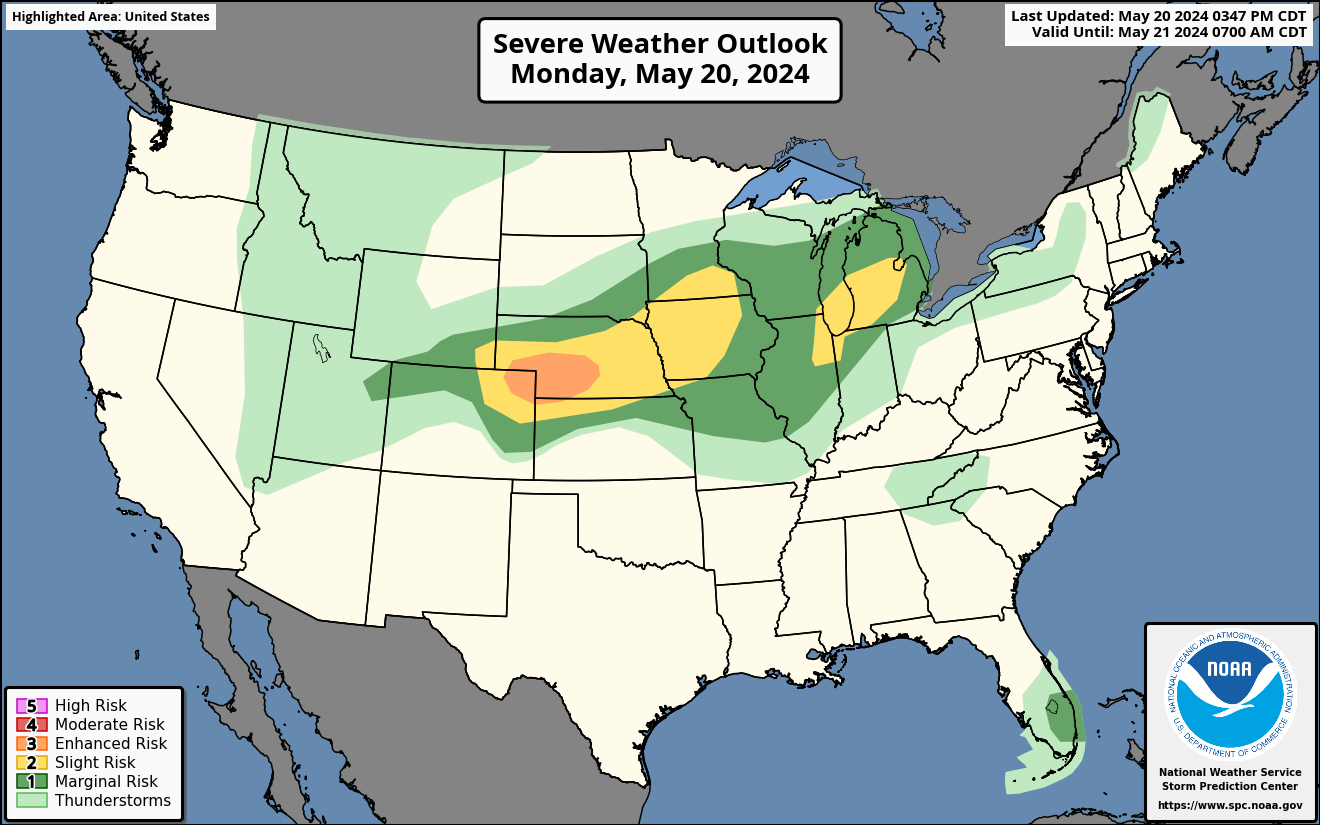
Today's Tornado Outlook

Today's Severe Wind Outlook

Today's Severe Hail Outlook


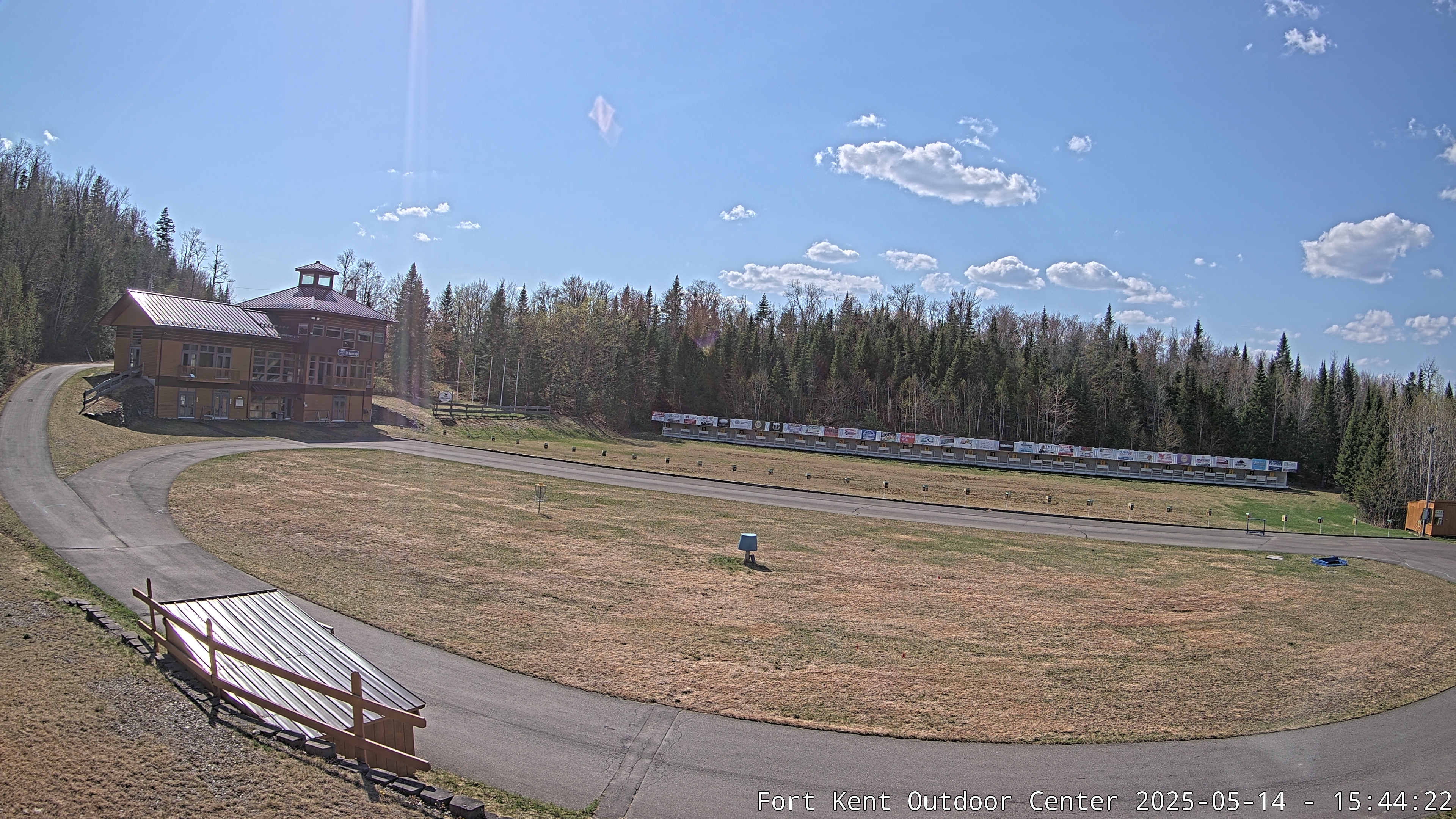
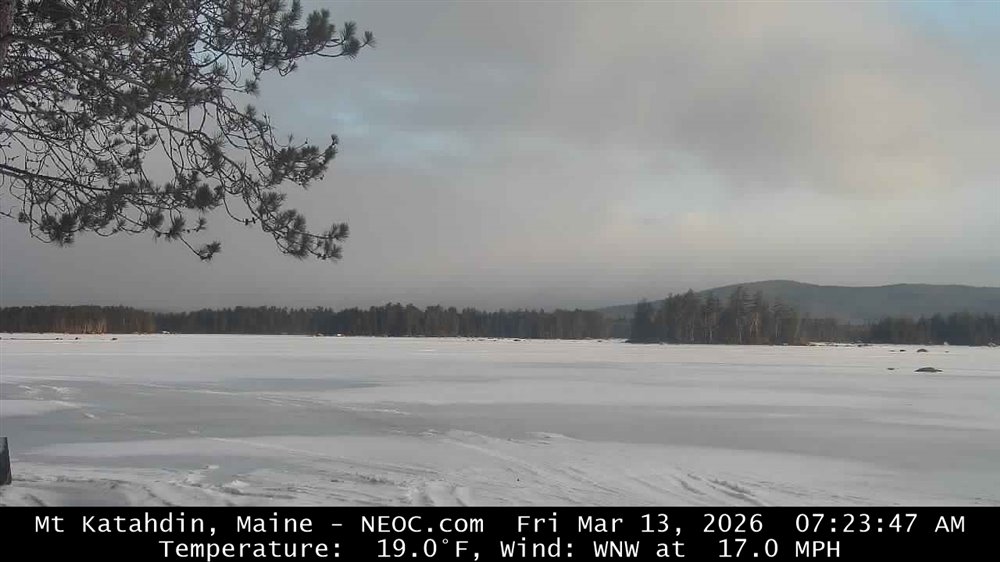
US Route 1 @ Van Buren, ME

March 1 to June 15 & Aug. 1 to Nov. 15
Fort Kent &
the Saint John Valley, Maine
Weather Information


Member APRSWXNET/CWOP & CWOP Programs
What is UTC Time?



Apex Wx is committed to no-hype forecasting based on meteorological science.
📊 Fort Kent Weather Almanac(Click to Collapse/Expand)
2022
▶☀️ Sun & Moon Information for Fort Kent, Maine 🌙(Click to Collapse/Expand)
Loading phase details...
--:-- AM EDT tomorrow
--:-- AM EDT today
October 26 – November 1, 2026
Updated Oct.26 at 7:45 AM EDT
Overview
Temperatures may briefly reach the upper 50s Monday before falling into the middle 40s during the afternoon as colder air arrives on gusty west to northwest winds. Clearing skies Monday night will allow temperatures to drop into the upper 20s. Northwest flow will maintain the colder air mass Tuesday, with abundant sunshine but afternoon temperatures reaching only the lower 40s. Winds will remain somewhat gusty before gradually diminishing during the evening.
High pressure will become increasingly influential Tuesday night, bringing clear skies, lighter winds, and favorable conditions for strong radiational cooling. Temperatures will fall into the upper teens, with sheltered valley locations potentially experiencing even colder readings.
A gradual moderation will begin Wednesday as winds become lighter and eventually turn southwesterly. Sunshine will help temperatures recover into the upper 40s, while increasing clouds and a developing southwest flow Wednesday night will limit overnight cooling compared with Tuesday night.
Tuesday: Sunny but considerably colder weather will prevail as northwest winds maintain the flow of Canadian air into northern Maine. Afternoon temperatures will reach only the lower 40s, with occasional wind gusts approaching 25 mph making conditions feel colder. Winds will gradually diminish Tuesday evening as clear skies and increasingly favorable radiational cooling allow temperatures to fall rapidly. Overnight lows will reach the upper teens, with some sheltered valley locations potentially experiencing even colder readings.
Wednesday: Abundant sunshine and lighter west winds will bring a modest temperature recovery across the Valley. Following a very cold morning, temperatures will climb into the upper 40s during the afternoon, making conditions noticeably more comfortable than Tuesday. Dry weather will continue into Wednesday evening, although some clouds will develop overnight as winds turn southwesterly. The moderating air mass will keep temperatures from falling as sharply as the previous night, with lows around 30°F.
Thursday, October 29 – Sunday, November 1
Overview
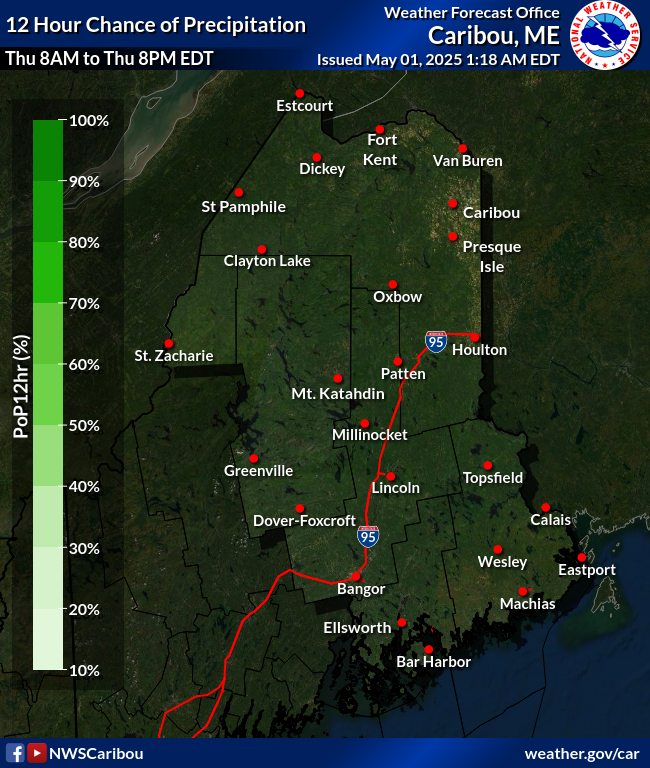
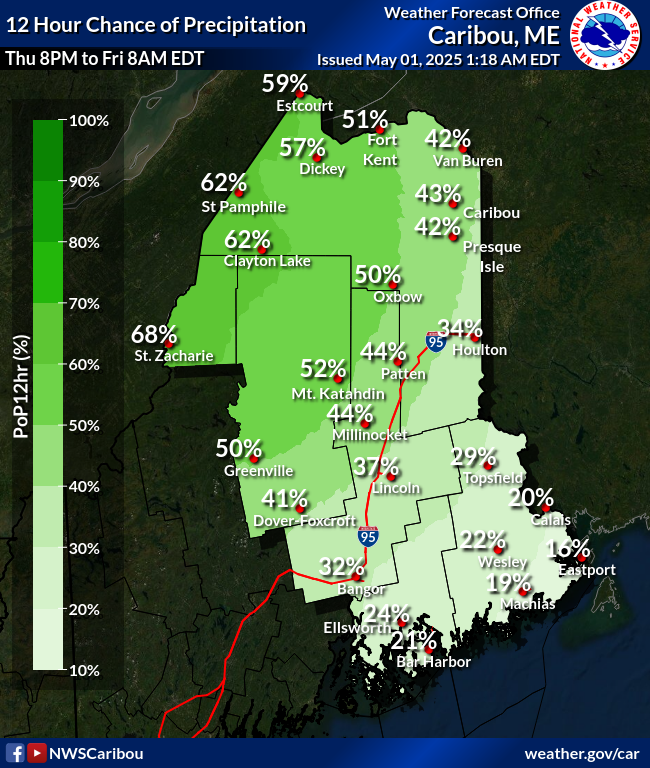
A more noticeable warming trend develops Thursday as a warm front approaches northern Maine, bringing milder air and increasing moisture into the Saint John Valley. Temperatures will climb into the upper 50s, with a 40% chance of light rain developing during the afternoon. A trailing cold front will cross the region Thursday night, with rain chances diminishing overnight. High pressure will then build into northern Maine Friday, bringing a return to generally dry conditions and partial clearing.
Partly sunny skies and temperatures in the lower 50s will follow Friday, with generally dry conditions continuing Saturday. Another weak disturbance may bring a slight chance of rain late Saturday night.
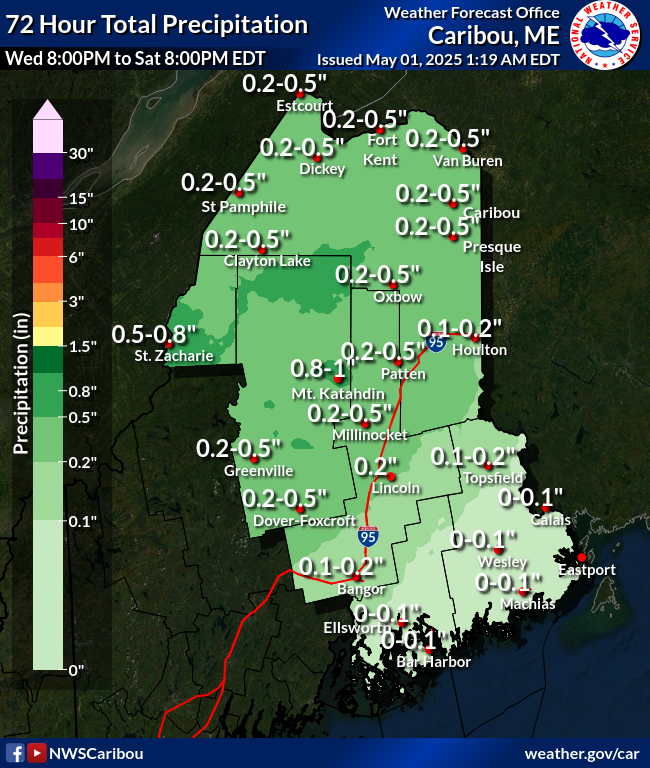
Any rainfall Thursday and Thursday night would be welcome across the drought-affected Saint John Valley, although significant accumulation appears unlikely. Longer-range guidance offers little indication of substantial precipitation through October, with more meaningful opportunities potentially developing during the first week of November. Timing and amounts remain uncertain, and sustained rainfall will be necessary for meaningful drought relief.
Friday: A passing disturbance will bring variable cloud cover and a 30% chance of rain across the Saint John Valley. Showers should be scattered rather than continuous, with partly sunny intervals possible and afternoon temperatures reaching the middle 50s. Cooler, drier air will begin returning as the disturbance moves away, bringing decreasing cloud cover Friday evening. Partly cloudy skies overnight will allow temperatures to fall toward freezing, with lows in the lower 30s.
Saturday: High pressure will favor a return to dry weather and mostly sunny skies across northern Aroostook County. Temperatures will be noticeably cooler than the preceding two days, reaching the upper 40s during the afternoon. The combination of sunshine and relatively dry conditions should make for a pleasant late-October day despite the cooler air. Partly cloudy skies Saturday night will accompany another period of substantial cooling, with temperatures falling into the upper 20s.
Sunday: Mostly sunny skies will continue through much of the day as temperatures recover into the lower 50s. Dry conditions should prevail during the daylight hours, although clouds will gradually increase as another disturbance approaches the region. A chance of rain will develop after 8 PM, with mostly cloudy skies continuing overnight. Temperatures will remain milder than Saturday night, with lows in the middle 30s.
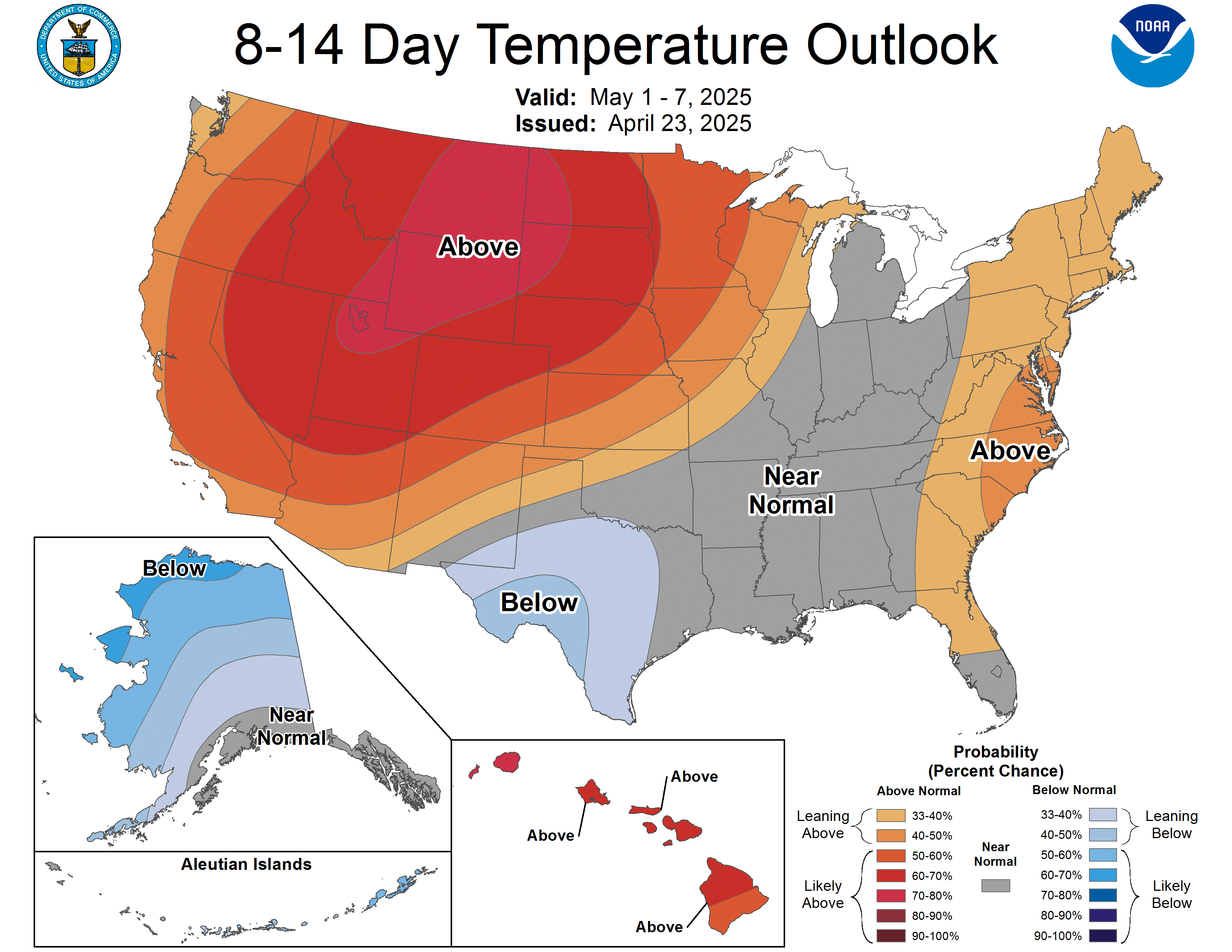
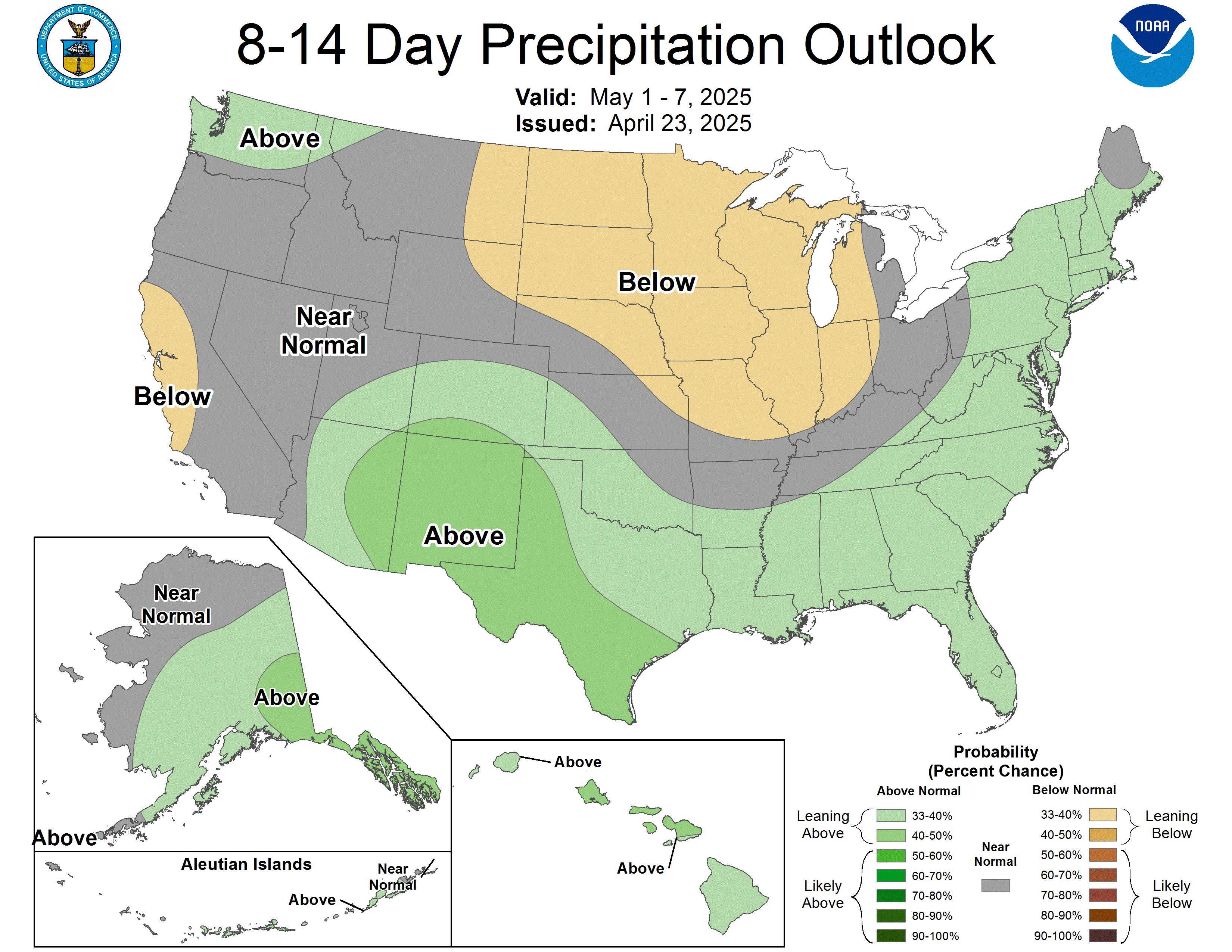
Based on the latest CPC outlook for the Saint John Valley, above-normal temperatures are favored while precipitation is expected to remain near normal. A generally mild regional pattern should support temperatures averaging above early-November climatology, although occasional colder periods remain possible. Typical temperatures for this period feature daytime highs in the lower to middle 40s and overnight lows in the upper 20s. The precipitation outlook offers no strong indication of a wetter pattern to alleviate ongoing drought conditions.
Outlooks updated 7-9 AM weekdays & 8-10 AM weekends and holidays. Long range outlooks indicate broader temperature and precipitation trends rather than precise day-to-day forecasts. Common abbreviations: NWS = National Weather Service; WPC = Weather Prediction Center; SPC = Storm Prediction Center; CPC = Climate Prediction Center, NHC = National Hurricane Center

🇺🇸 US National Weather Outlook(Click
to Collapse/Expand)
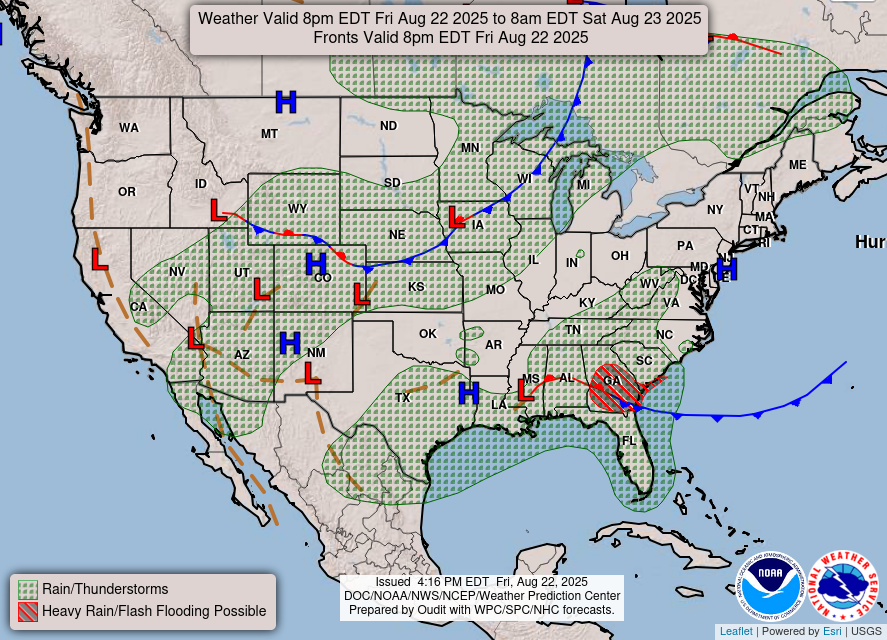
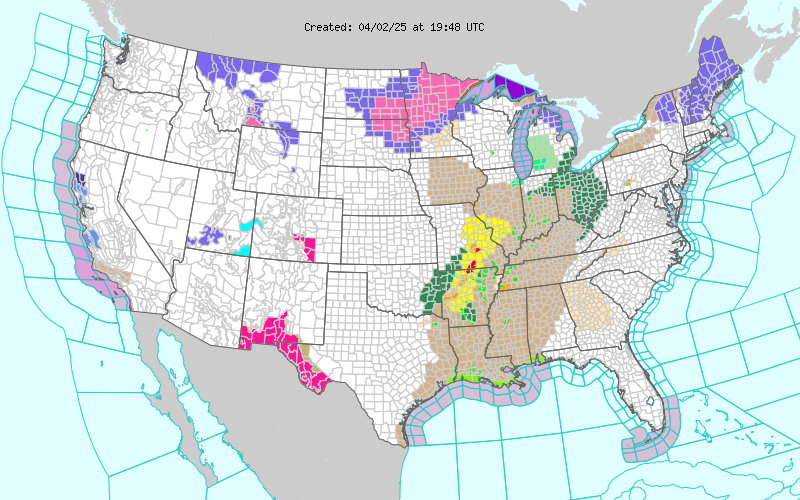
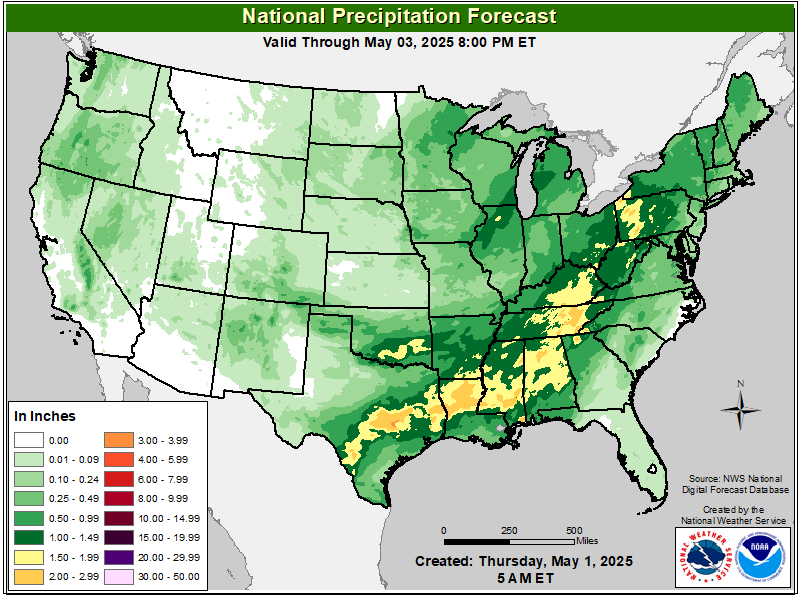
An approaching storm system will bring rain, mountain snow, and scattered thunderstorms to several parts of the country Monday through early Wednesday.
Across the Pacific Northwest and northern Rockies, rain will affect lower elevations while accumulating snow develops in the higher elevations of the Cascades and northern Rockies Monday and Tuesday. The unsettled weather will gradually spread eastward into the Great Basin and northern and central Plains as a cold front advances across the region.
Farther east, a developing area of low pressure will bring widespread rain to portions of the northern and central Plains and upper Mississippi Valley. Wet snow is also expected across parts of the northern Plains through Tuesday evening, potentially creating slippery travel conditions where temperatures are sufficiently cold.
Meanwhile, showers and thunderstorms will develop across portions of the southern High Plains through early Tuesday. Additional thunderstorms are expected along the western Gulf Coast and into eastern Texas, where moist air from the Gulf will support unsettled conditions through Wednesday. Along Florida's Atlantic coast and across the Keys, onshore winds will also bring periods of showers and thunderstorms.
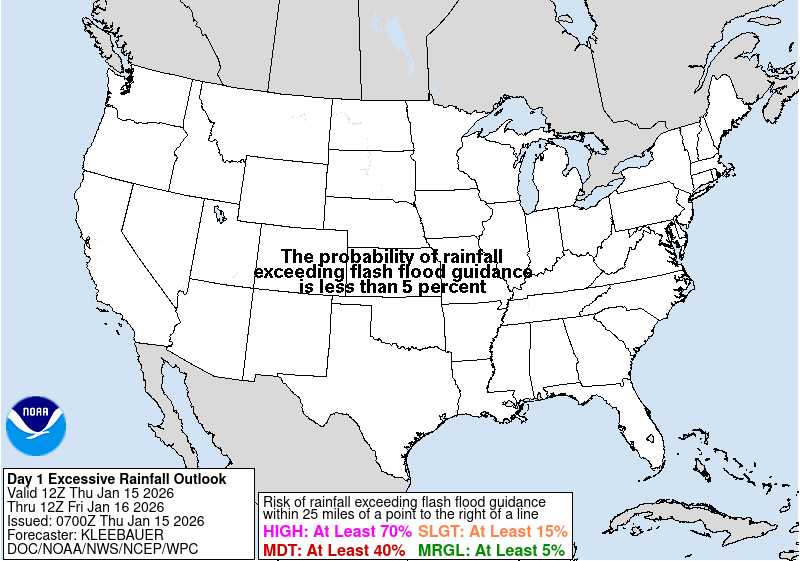
🔥Today's Fire Weather Chart
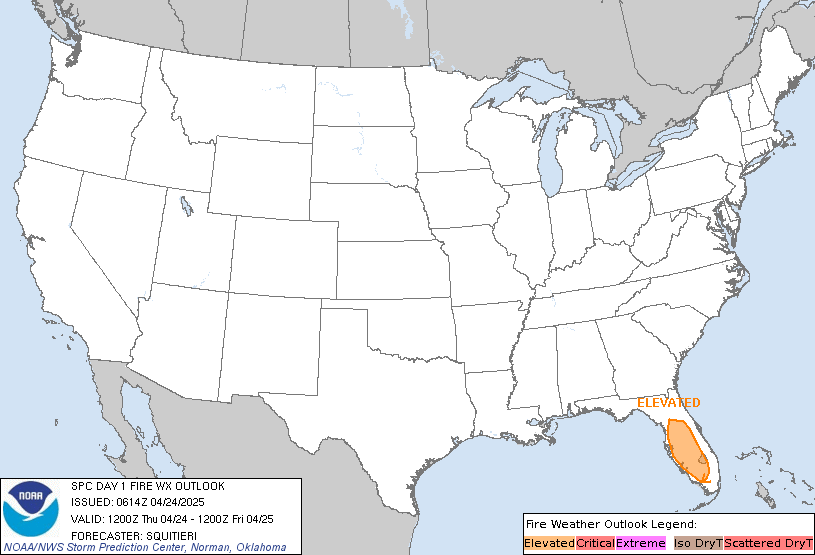
🌤️ Weather Resources
(Click
to Collapse/Expand)
🇺🇸 NOAA/National Weather Service Weather Information

NWS Caribou Weather
Information
NWS Caribou Weather
Information🌎 World Weather
World Temperature Extremes | US Temperature Extremes | Canadian Temperature Extremes | Europe Temperatures Extremes | Northern Hemisphere | Southern Hemisphere | Earth from Nullschool | Weather Around The World | CoolWx World Weather Extremes
APOD | SolarHam | Webb Image Galleries | Space.com | National Aeronautics and Space Administration (NASA) | Spaceflight Now | NASA's ISS Sighting Opportunities | Sky & Telescope's: This Week's Sky at a Glance | Space Weather | Stellarium Web Online Star Map | Heavens Above | Moon Times for Fort Kent, Maine | Fort Kent Sun & Moon Data
Weather Notice
Apex Wx forecasts are based on available observations, computer model guidance, and other meteorological data. Conditions and forecast guidance can change, and information displayed here may not reflect the latest official forecast or warning information. Always visit NWS Caribou for the latest official forecasts, watches, warnings, and advisories for northern Maine.
Apex Wx is a private weather information service unaffiliated with NOAA or the National Weather Service and operated by Joseph Becker. Dr. Becker earned a Certificate in Weather Forecasting from Penn State University and is a trained NWS SKYWARN Storm Spotter.
Credits
- Sun and Moon data from the U.S. Naval Observatory, with additional astronomical information from timeanddate.com.
- NOAA warning banner provided by WillyWeather.com.
- Through December 2026, additional archived Apex Wx weather data are available through the University of Utah's MesoWest.
- Current and archived Apex Wx weather data are available through Synoptic Data, the successor to MesoWest.
- Apex Wx logo by Joanna Becker © 2016. Visit Bushi and Brush Arts Dojo.
How accurate are forecasts?
Forecast confidence generally decreases as lead time increases. Forecasts for the next few days usually provide considerably more detail and confidence than forecasts a week or more in advance. Beyond about 7 days, forecasts are most useful for identifying broader weather patterns and temperature or precipitation trends rather than predicting exact conditions at a particular place and time.
Individual computer-model runs—especially those depicting specific storms, snowfall amounts, or other details a week or more in advance—should not be treated as forecasts by themselves. Extended forecasts will change as new observations become available and models better resolve the evolving atmospheric pattern. Check updated forecasts as the event approaches.
Weather Apps
Most weather apps rely heavily on automated forecast data. They can be useful for a quick look at routine weather, but automated forecasts may miss important local details or the significance of rapidly changing conditions. During hazardous or changing weather, consult weather.gov and other official National Weather Service information rather than relying solely on an app.
Radar Apps
Weather radar is an invaluable tool for tracking precipitation and storms, but radar images should not be interpreted as a real-time picture of conditions at the ground. Data collection, processing, transmission, mosaicking, and app updates can introduce delays, and radar detects energy returned from precipitation at varying heights above the surface. During rapidly developing or moving storms, conditions at your location may therefore differ from what a radar app appears to show. Use radar together with current observations and official National Weather Service warnings.
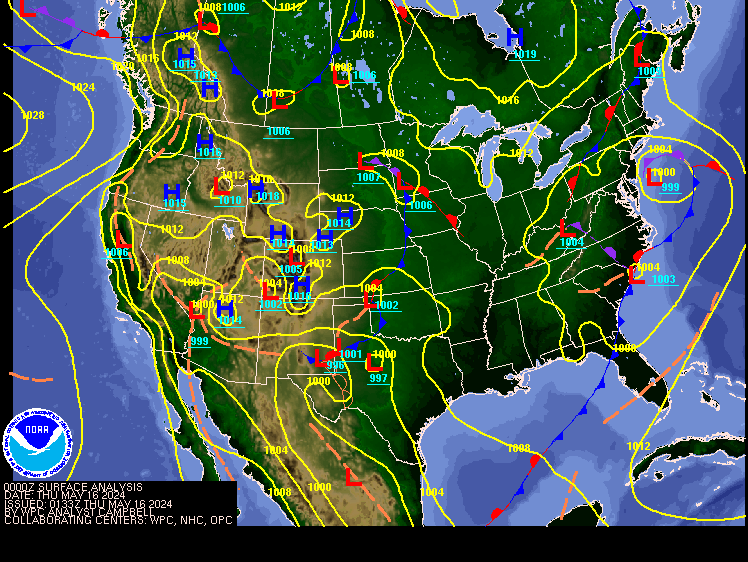
U.S. Satellite 🛰️
![[CONUS Satellite Image]](https://weather.cod.edu/data/satellite/continental/conus/current/conus.truecolor.jpg "Click for larger image")
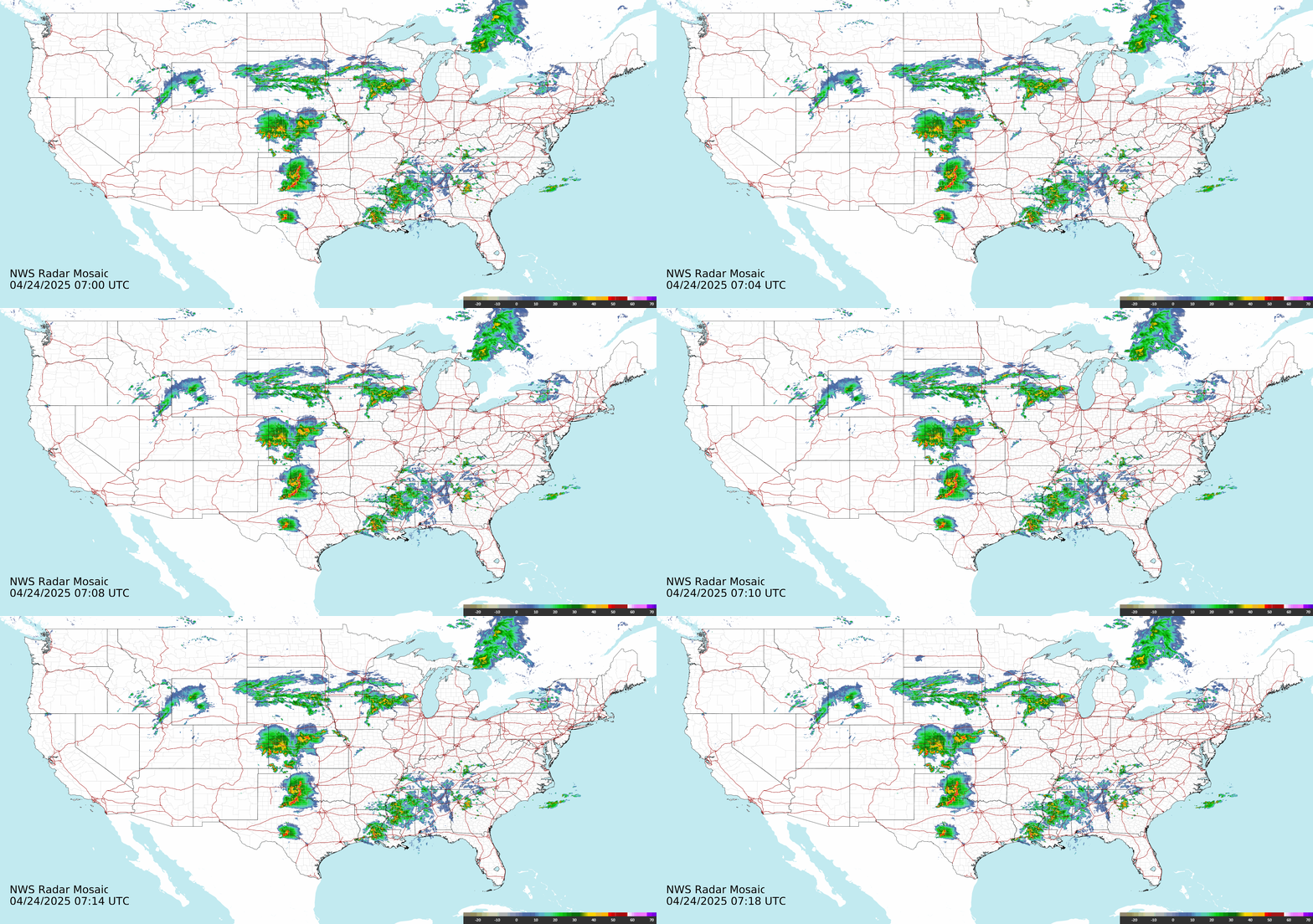
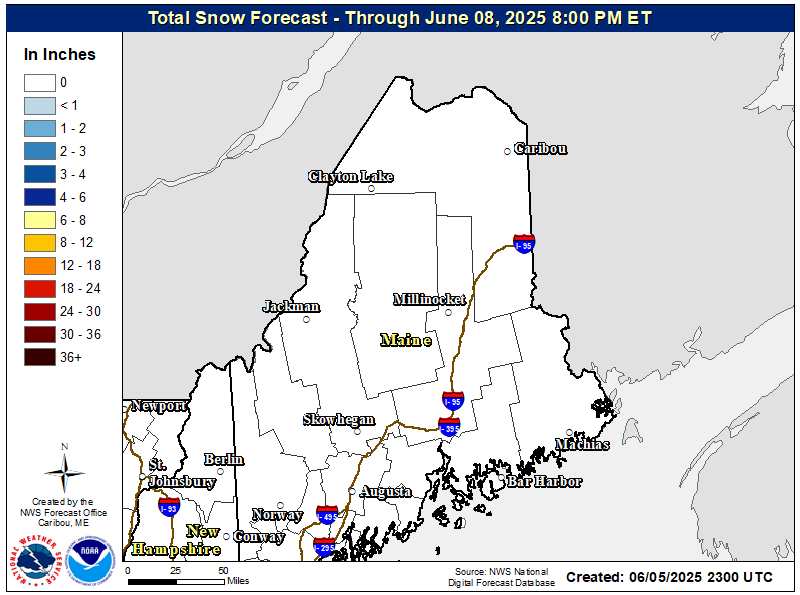
US Snowfall Outlook

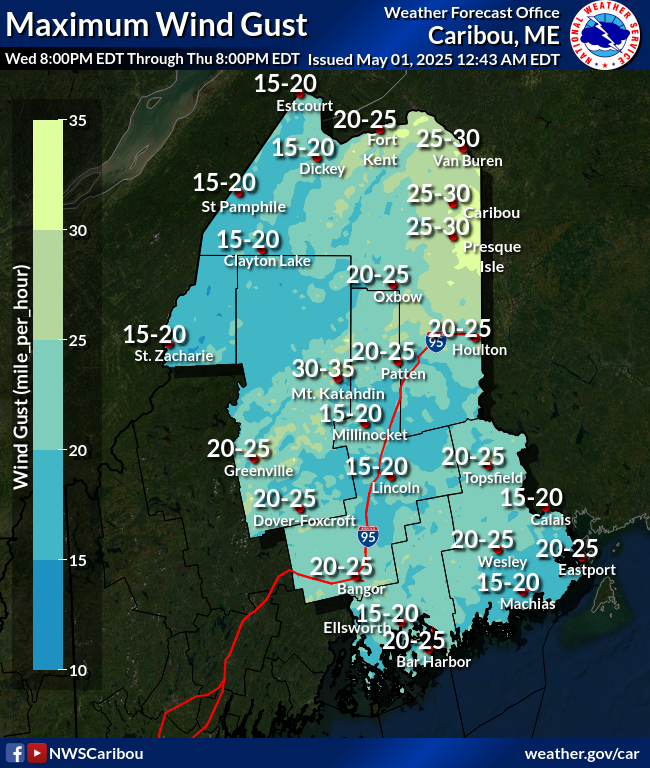
Northeast Wind Gust Outlook
Northeast Wave Height Outlook

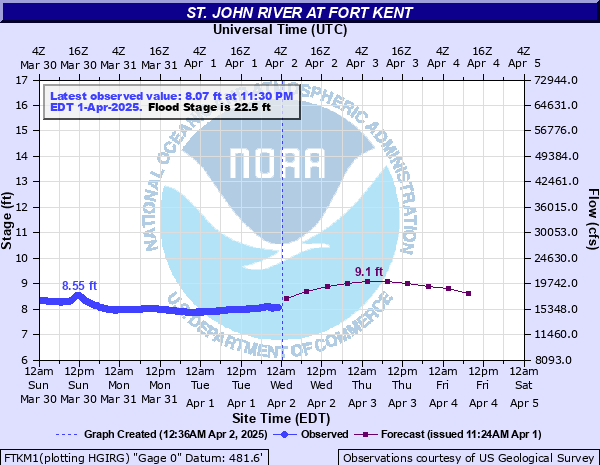
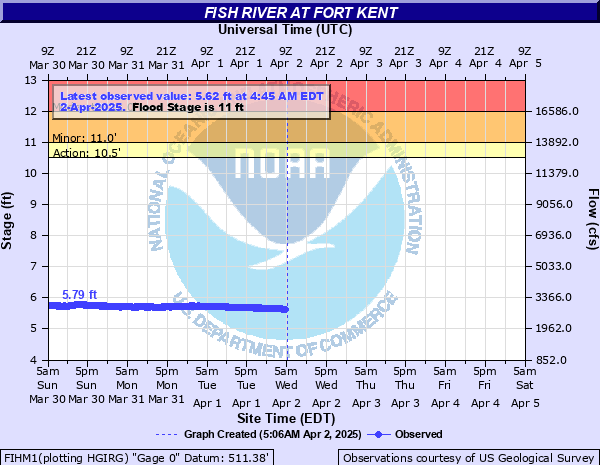
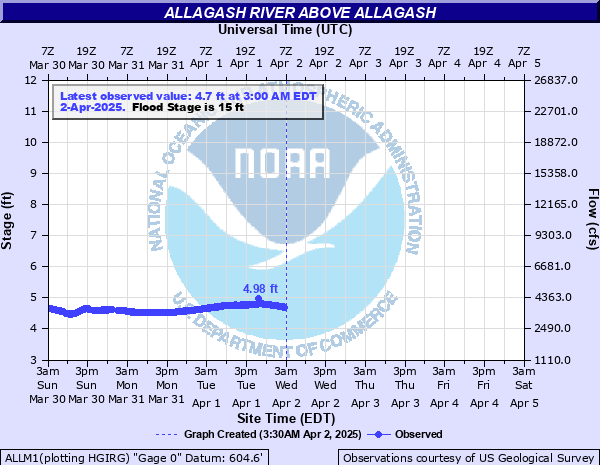
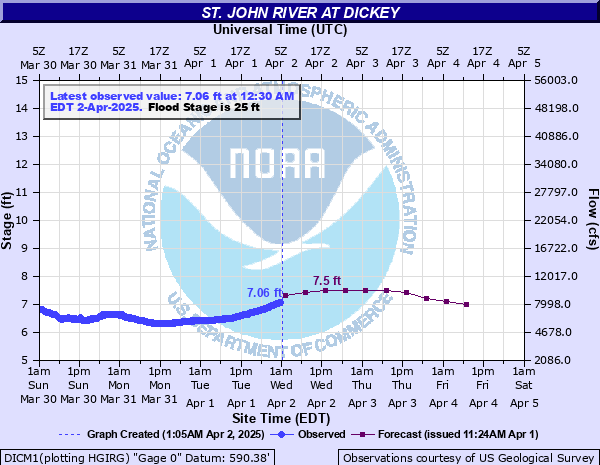
St. John River at Dickey